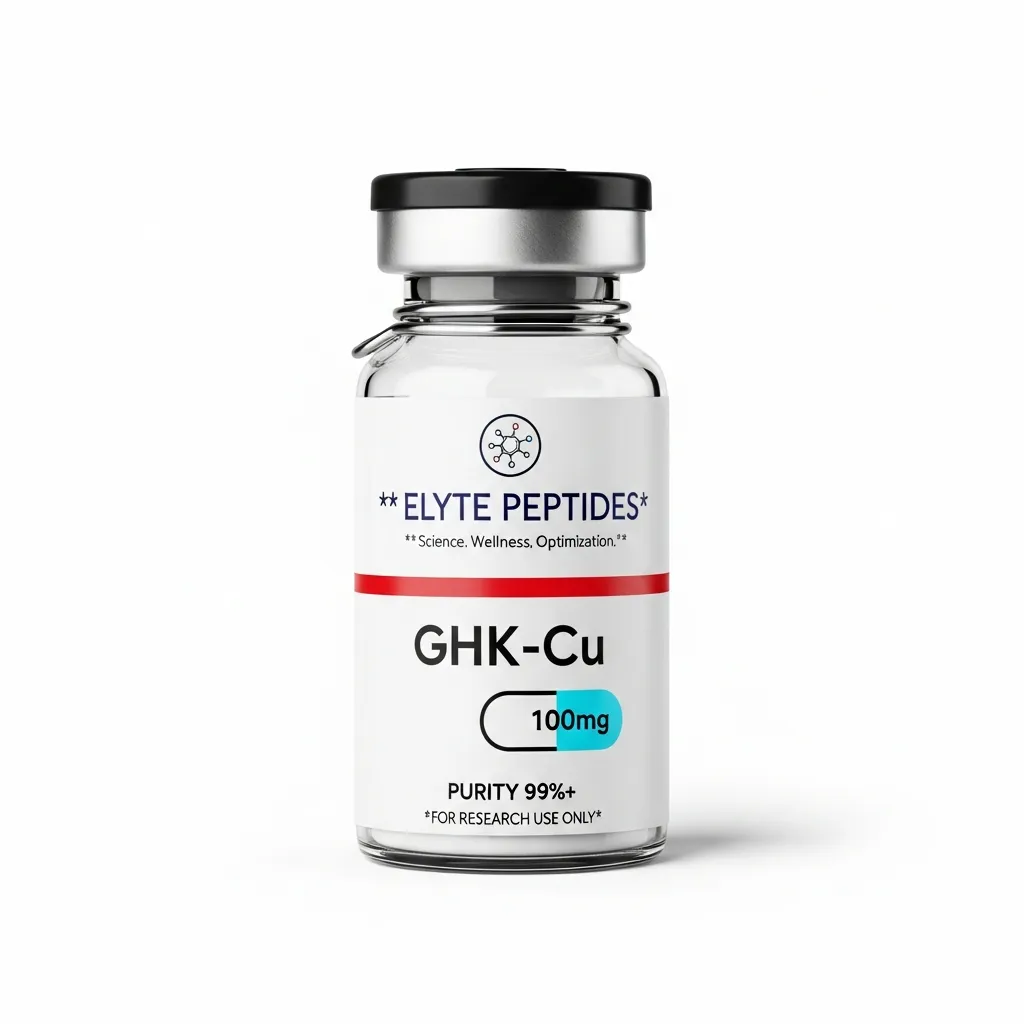
GHK-Cu
Copper-binding tripeptide for skin regeneration and anti-aging research.
Description
Copper-binding tripeptide for skin regeneration and anti-aging research.
GHK-Cu (glycyl-L-histidyl-L-lysine copper complex) is a naturally occurring copper-binding tripeptide first isolated from human plasma by Pickart and Thaler in 1973. Its mechanism of action involves delivering bioavailable copper ions to tissues, where copper serves as a cofactor for lysyl oxidase (collagen crosslinking), superoxide dismutase (antioxidant defense), and other metalloenzymes critical for tissue maintenance. GHK-Cu modulates gene expression of over 4,000 human genes, broadly shifting patterns toward tissue remodeling and repair (Pickart et al., BioMed Research International, 2012). Research demonstrates it upregulates collagen types I and III, elastin, decorin, and glycosaminoglycan synthesis while simultaneously downregulating metalloproteinase activity that degrades extracellular matrix. In wound healing studies, GHK-Cu accelerated dermal wound contraction and re-epithelialization in animal models (Leyden et al., Archives of Dermatological Research, 2002). The peptide also shows neuroprotective properties; studies suggest it reduces oxidative damage markers and may support nerve regeneration through NGF and VEGF upregulation. Compared to retinoids and vitamin C in skin research, GHK-Cu operates through a fundamentally different mechanism centered on copper-dependent enzymatic activity and broad transcriptomic remodeling rather than receptor activation or direct antioxidant scavenging. At 100mg, this formulation supports extended research protocols. Store lyophilized powder at -20C protected from light; reconstitute with sterile water and refrigerate at 2-8C. GHK-Cu is researched by dermatology departments, cosmetic science laboratories, and neuroscience institutions studying copper-dependent tissue repair and gene regulation.
This product is supplied as a lyophilized powder and is intended for laboratory and research use only. Not for human consumption. Each vial contains 100mg of research-grade material.
Research Applications
- Skin regeneration and anti-aging studies
- Wound healing and antimicrobial activity
- Nervous system support and neuroprotection
- Pain management research
Specifications
- Size
- 100mg
- Purity
- ≥98% (HPLC)
- Form
- Lyophilized Powder
- Molecular Formula
- C14H23CuN6O4
- Molecular Weight
- 401.91 g/mol
- CAS Number
- 89030-95-5
Storage & Handling
- Long-term storage: -20°C in a sealed, light-protected container
- Short-term storage: 2-8°C (refrigerated) for up to 30 days
- Reconstituted: Store at 2-8°C and use within 30 days
- Avoid: Repeated freeze-thaw cycles, direct sunlight, and moisture exposure
- Reconstitution: Use bacteriostatic water or sterile water for injection
Frequently Asked Questions
What is GHK-Cu and how does it work?
What research has been done on GHK-Cu?
How does GHK-Cu compare to Snap-8?
What is the recommended reconstitution protocol for GHK-Cu?
What purity testing is performed on GHK-Cu?
Related Products
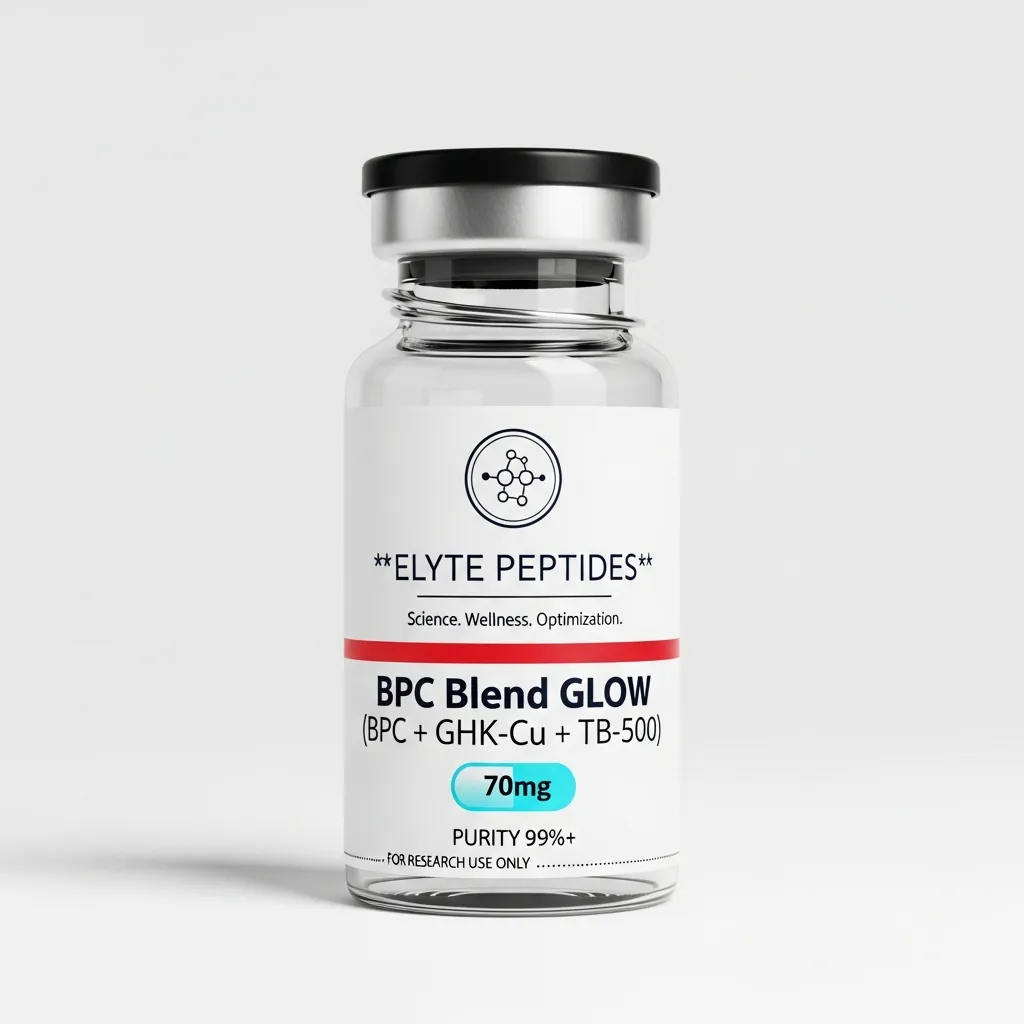
BPC Blend GLOW (BPC + GHK-Cu + TB-500)
Triple-peptide blend for cellular repair, skin regeneration, and anti-aging research.
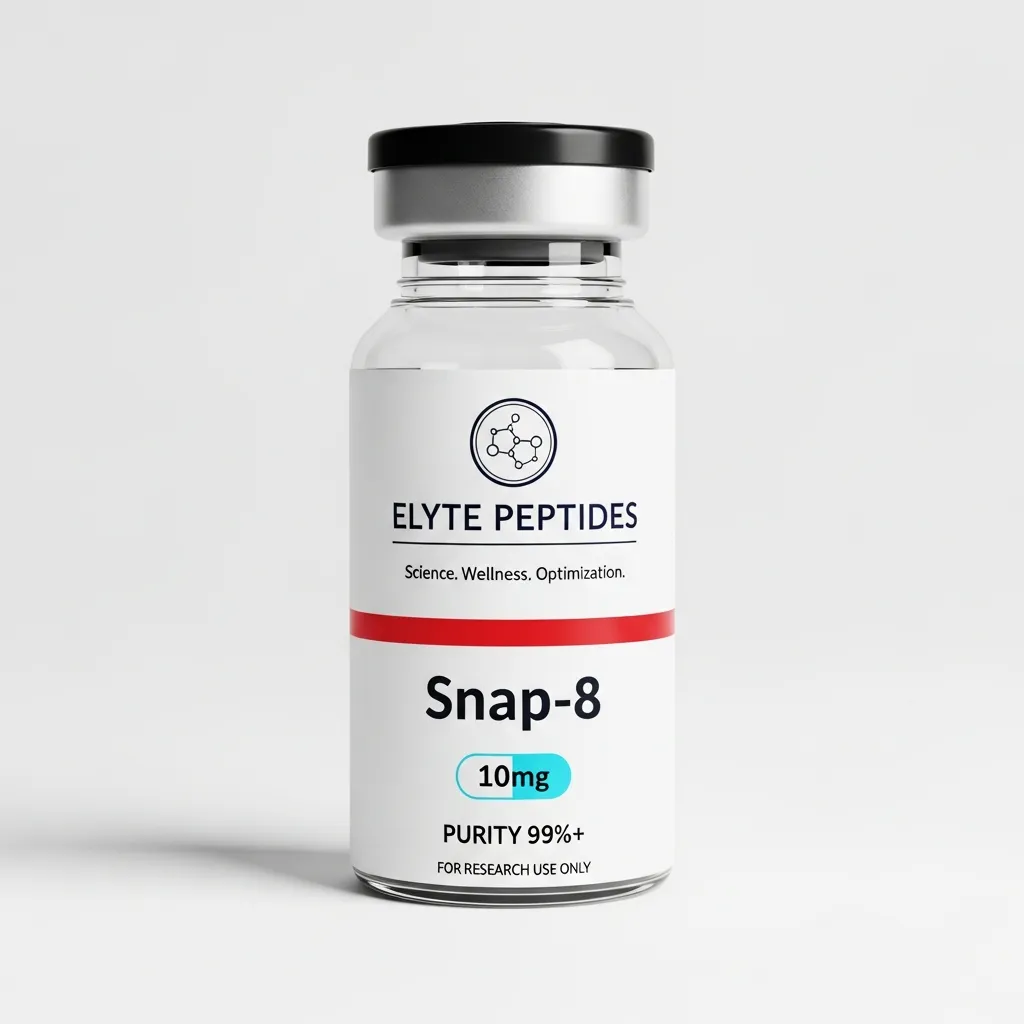
Snap-8
Synthetic octapeptide for dynamic wrinkle reduction research.
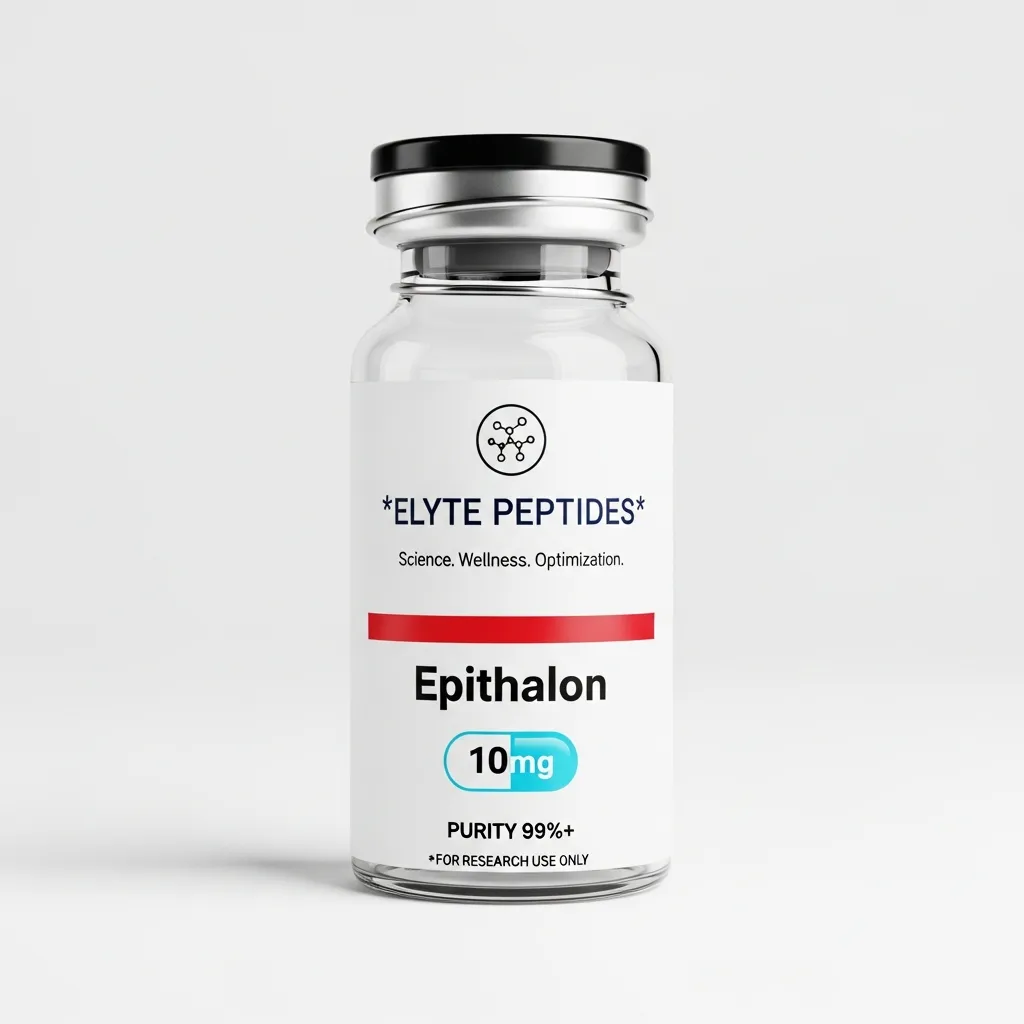
Epithalon
Synthetic tetrapeptide for telomerase activation and longevity research.
Research Use Only. This product is not intended for human consumption, therapeutic use, or diagnostic purposes. All peptides sold by Elyte Peptides are strictly for in-vitro research and laboratory use. By purchasing, you agree to use this product in compliance with all applicable laws and regulations.