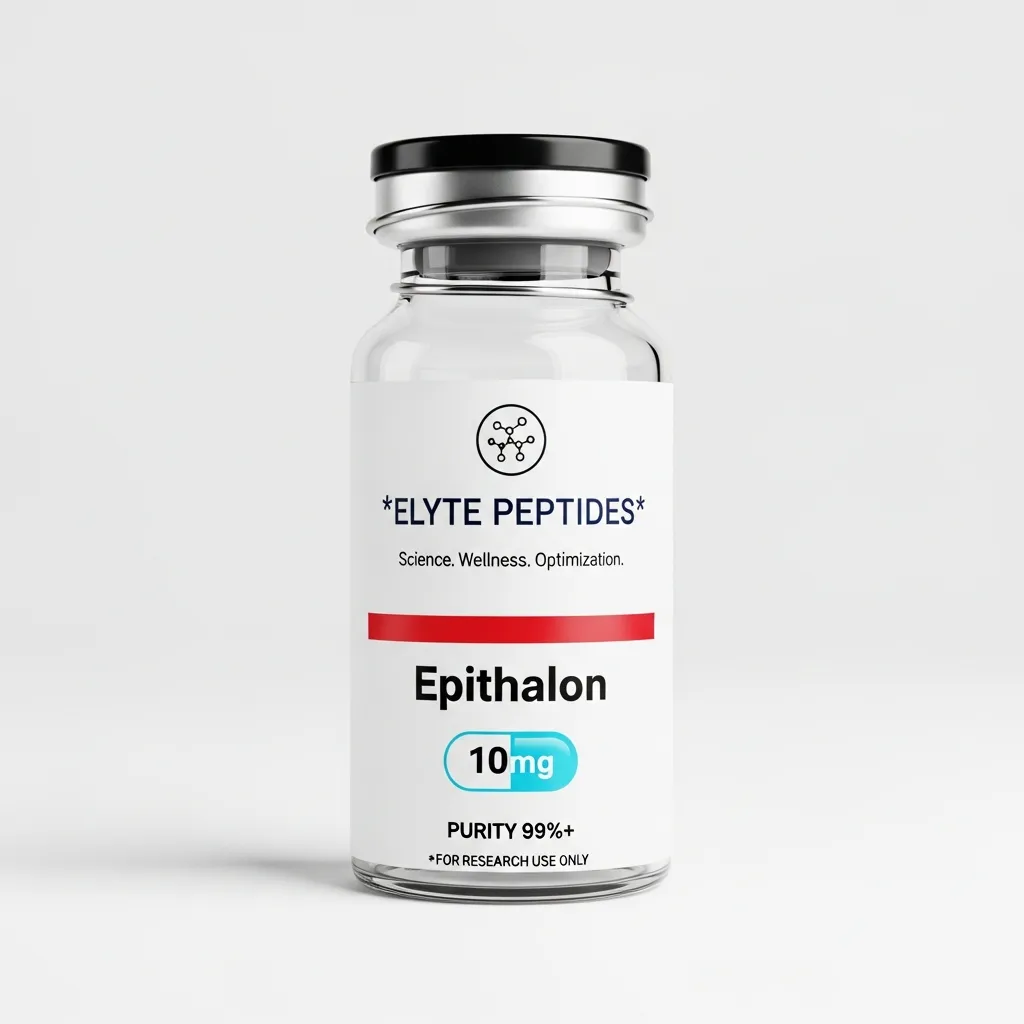
Epithalon 50mg
Synthetic tetrapeptide for telomerase activation and cellular-aging research.
Description
Synthetic tetrapeptide for telomerase activation and cellular-aging research.
Epithalon (also known as Epitalon or epithalamin) is a synthetic tetrapeptide (Ala-Glu-Asp-Gly) developed by Vladimir Khavinson at the Saint Petersburg Institute of Bioregulation and Gerontology in Russia. Its primary mechanism of action involves activation of telomerase, the enzyme responsible for adding telomeric repeats (TTAGGG) to chromosome ends, thereby counteracting the progressive telomere shortening associated with cellular aging. Published research by Khavinson and colleagues (Bulletin of Experimental Biology and Medicine, 2003) demonstrated that epithalon increased telomerase activity in human somatic cells and extended the replicative lifespan of fibroblast cultures beyond the Hayflick limit. In animal studies, chronic epithalon use in aging rats was associated with increased lifespan and restoration of melatonin secretion rhythms from the pineal gland, which naturally declines with age (Anisimov et al., Mechanisms of Ageing and Development, 2003). The peptide also appears to modulate expression of genes involved in antioxidant defense and circadian rhythm regulation. Compared to other telomerase activators such as TA-65 (a small molecule derived from astragalus), epithalon is a direct peptide bioregulator with a well-characterized tetrapeptide sequence. Research also suggests potential effects on retinal health, with studies indicating photoreceptor preservation in aging retinal models. Store lyophilized powder at -20C protected from moisture; reconstitute with bacteriostatic water and refrigerate at 2-8C for up to 21 days. Epithalon is studied by gerontology research centers, telomere biology laboratories, and chronobiology departments investigating age-related decline in pineal gland function.
This product is supplied as a lyophilized powder and is intended for laboratory and research use only. Not for human consumption. Each vial contains 50mg of research-grade material.
Read the full Epithalon research guideResearch Applications
- Telomerase activation and telomere protection
- Cellular-aging and senescence research
- Melatonin regulation and circadian rhythm
- Dermal-repair and ECM research
Specifications
- Size
- 50mg
- Purity
- ≥98% (HPLC)
- Form
- Lyophilized Powder
Storage & Handling
- Long-term storage: -20°C in a sealed, light-protected container
- Short-term storage: 2-8°C (refrigerated) for up to 30 days
- Reconstituted: Store at 2-8°C and use within 30 days
- Avoid: Repeated freeze-thaw cycles, direct sunlight, and moisture exposure
- Reconstitution: Use bacteriostatic water or sterile water for injection
Frequently Asked Questions
What is Epithalon and how does it work?
What research has been done on Epithalon?
How does Epithalon compare to other telomerase-activating compounds like TA-65?
Related Products
Epithalon
Synthetic tetrapeptide for telomerase activation and cellular-aging research.
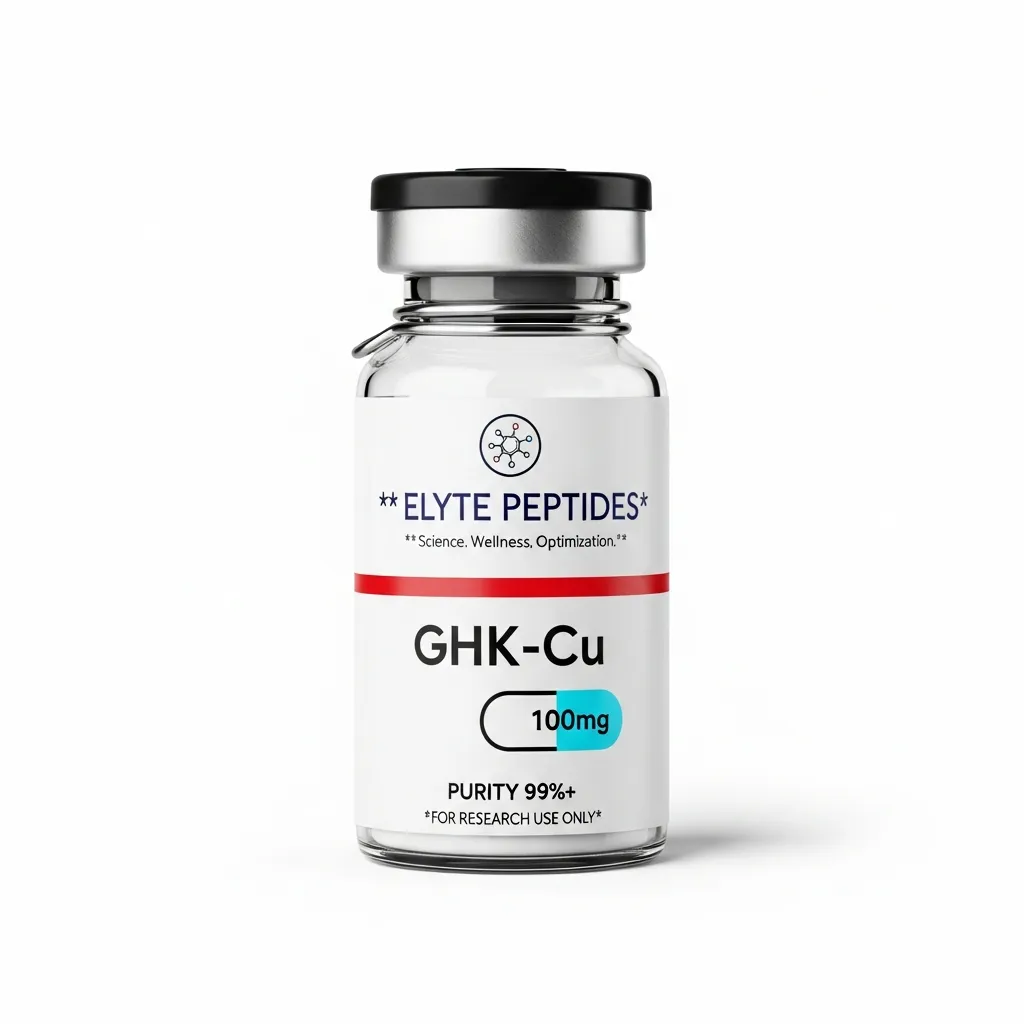
GHK-CU
Copper-binding tripeptide for skin regeneration and cellular-aging research.
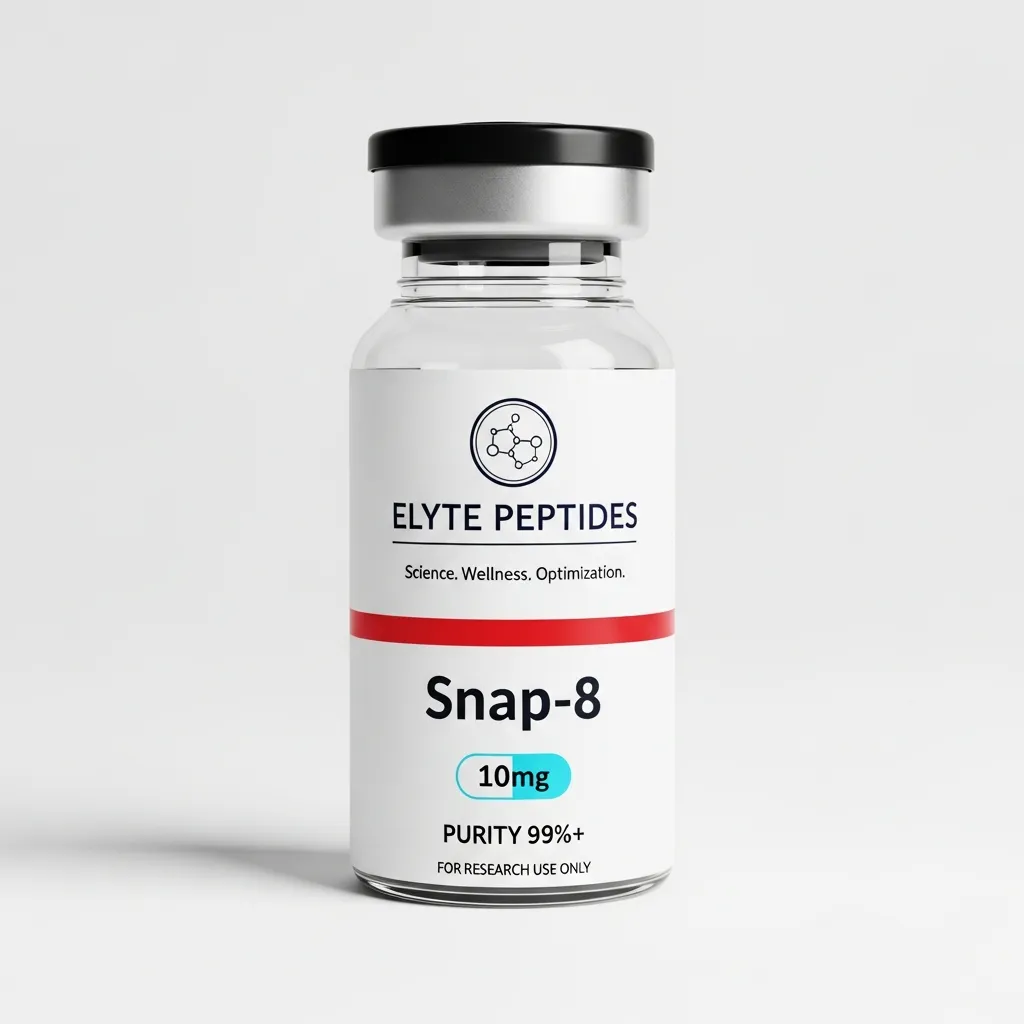
Snap-8
Synthetic octapeptide for dynamic wrinkle reduction research.
Research Use Only. This product is not intended for human consumption, therapeutic use, or diagnostic purposes. All peptides sold by Elyte Peptides are strictly for in-vitro research and laboratory use. By purchasing, you agree to use this product in compliance with all applicable laws and regulations.